The first energy bill after you move in is a strange document. It arrives, you open it, and you stare at a number that seems to have come from nowhere. There are kilowatt hours, standing charges, estimated readings, and a comparison to last month that means nothing to you because there was no last month. You close the bill, put it somewhere, and quietly hope it gets smaller on its own.
It won’t. But you also don’t need a spreadsheet, a smart meter app, or a builder to fix it. What you need is a short, ordered list of changes, starting with the ones that cost nothing and take five minutes. These home energy saving tips for beginners are arranged that way on purpose: no tools, no research, no awkward conversations with anyone. Do the free things first, see the difference, then decide whether the paid ones are worth it.
Do These Free Changes This Week
Nothing in this section costs a penny. You already own everything you need, and each item takes less time than making a cup of tea. If you only do these seven things, you’ll already be ahead of most first-time bill payers.
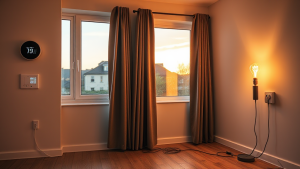
Turn the heating down by one degree. This is the single most effective free change in almost every home. One degree cooler is barely noticeable when you’re wearing a jumper, but it trims a meaningful slice off your heating costs over a winter. Set the thermostat to 19°C rather than 20°C and live with it for a week before you judge. If you’re cold, add a layer rather than nudging the dial back up.
Stop heating rooms nobody is in. If you have a spare bedroom, a utility room, or a hallway radiator that’s always on, turn the valve down or off. There’s no point paying to warm a room you walk through twice a day. Close the doors to those rooms too, so the heat you’re paying for stays where you actually sit.
Shower instead of bathing, and keep it short. A full bath uses far more hot water than a four-minute shower. If you’re a bath person, that’s fine, but make it a treat rather than a daily habit. The same logic applies to washing up: a bowl of hot water beats a running tap every time.
Only run the washing machine with a full load. Half-loads are the quiet killer of energy bills. Wait until the drum is genuinely full, then wash at 30°C rather than 40°C or 60°C. Modern detergents work perfectly well at lower temperatures, and your clothes will last longer too.
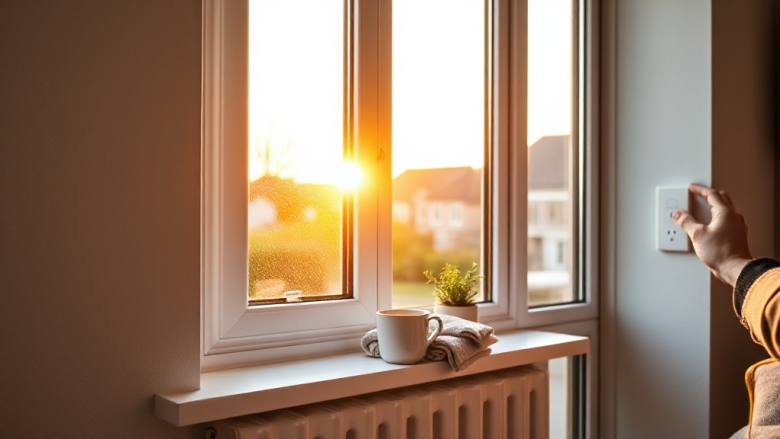
Switch off at the wall. Televisions, games consoles, phone chargers, and anything with a little light on it are still drawing power when you’re not using them. This is called standby load, and it adds up across a whole house. Get into the habit of turning things off at the plug before bed. It takes ten seconds and it’s free.
Use lids on pans. A saucepan with a lid boils faster and holds heat better, which means the hob runs for less time. Match the pan to the ring too. A small pan on a big burner is just heat escaping around the sides.
Let the sun do the work. Open curtains and blinds on south-facing windows during the day to let warmth in, then close them at dusk to trap it. In summer, do the opposite: close them during the hottest part of the day to keep the heat out. This one habit costs nothing and works all year round.
Low-Cost Upgrades That Pay You Back
Once the free changes are habits, you can spend a small amount of money on things that quietly reduce your bills month after month. None of these require a professional, and none of them are permanent alterations to the property, which matters if you rent.
Draught-proofing is the best value job in the house. Cold air sneaks in around doors, windows, letterboxes, and the gaps under skirting boards. A roll of draught excluder tape, a brush strip for the bottom of a door, and a couple of foam strips cost very little and can be fitted in an afternoon. You’ll feel the difference immediately, especially in hallways and rooms above garages or open passages.
Swap your bulbs for LEDs. If you still have old halogen or incandescent bulbs anywhere, replace them as they fail. LEDs use a fraction of the electricity and last for years. Don’t rush out and replace every bulb at once; just deal with the ones that blow, and within a year or two the whole house will have caught up.
Fit a hot water cylinder jacket if you have a tank. If your hot water is stored in a cylinder, an insulating jacket keeps it warm for longer, so the boiler or immersion heater runs less often. It’s a cheap item and it takes minutes to fit, with no tools beyond a bit of tape.
Use a timer or a smart plug for the odd offenders. If you can never remember to switch off the towel rail or the heated clothes airer, a simple plug-in timer solves it. Set it for the hours you actually need and forget about it. This is a small purchase that removes the need for willpower, which is usually the thing that fails.
Wash and dry smarter. A heated airer or a clothes horse near a radiator costs far less than a tumble dryer. If you do use a dryer, spin clothes on a faster cycle first to remove more water, and clean the lint filter every time. A clogged filter makes the machine work harder and longer.
Worth Saving For: Bigger Changes
Some improvements cost real money and take planning. Don’t start here. Start with the free and low-cost items above, then consider these once you’ve built up a bit of a buffer or you’re ready to make a longer-term decision.
Loft insulation. Heat rises, and if your loft is bare, you’re effectively paying to warm the sky. Adding insulation is one of the most reliable ways to reduce heating costs, and it makes the whole house feel warmer at a lower thermostat setting. If you rent, this is a conversation for your landlord rather than something you arrange yourself.
Cavity wall and floor insulation. Older homes often lose a surprising amount of heat through the walls and floors. These jobs need a professional assessment first, because not every property is suitable. Get advice before you spend anything.
Heating controls and thermostatic radiator valves. If your radiators have no individual controls, you’re heating every room to the same temperature. Fitting thermostatic valves lets you turn down the rooms you don’t use and keep the ones you do comfortable. It’s a modest investment that gives you day-to-day control.
Consider a smart thermostat only if you’ll actually use it. These devices are useful for people with irregular schedules, but they don’t save money on their own. If you’re out at the same time every day, a basic timer does the same job for less. Be honest with yourself about whether you’ll engage with the app.
How to Read Your Energy Bill Without Panicking
You can’t manage what you don’t understand, and most bill confusion comes from three things: units, standing charges, and estimated readings.
Your usage is measured in kilowatt hours, usually written as kWh. One kWh is roughly the energy a 1,000-watt appliance uses in an hour. A modern LED bulb might use 10 watts, so it would take 100 hours to use a single kWh. A tumble dryer might use 2 to 3 kWh in one cycle. Once you know that, the numbers start to make sense.
The standing charge is a fixed daily amount you pay just to be connected, whether you use any energy or not. It’s not a penalty and you can’t avoid it by using less. It’s simply part of the deal.
Estimated readings are the third source of confusion. If nobody has read your meter, the supplier guesses based on past usage or the size of your home. That guess can be too high or too low. Submit a reading yourself every month or so, and your bills will reflect reality rather than an estimate. It takes two minutes and it prevents nasty surprises.
Look at the bill in this order: how many kWh you used, whether the reading was estimated or actual, and what the standing charge is. Everything else is detail. If the usage number is higher than you expected, look at heating and hot water first, because that’s where most homes spend the bulk of their money.
Your First Week: A Simple Plan
Don’t try to do everything at once. Beginners who overhaul the whole house in a weekend usually burn out by Wednesday and go back to old habits. Instead, spread it across seven days.
On day one, turn the thermostat down one degree and turn off the radiators in rooms you don’t use. On day two, do a lap of the house before bed and switch everything off at the wall. On day three, check your washing machine settings and commit to full loads at 30°C. On day four, find your meter and submit a reading. On day five, walk around with your hand near doors and windows to find draughts, and make a note of where they are. On day six, buy draught excluder and fit the worst one. On day seven, sit down with the bill and find the kWh figure, just so you know what you’re working with.
That’s it. No apps, no tradespeople, no spending beyond a few pounds. After a month, compare the usage figure on your next bill to the one before. If it’s lower, keep going. If it isn’t, you’ll at least know which changes stuck and which didn’t, and you can adjust from there. The goal isn’t perfection. It’s understanding where your money goes, and then gently redirecting it.