Emergency Drain Service vs. DIY Fix: A Working Checklist for Ermelino Matarazzo
Your kitchen sink is backing up, the floor drain in the laundry area smells like sewage, or the toilet refuses to flush without water rising to the rim. Before you reach for a plunger or call the first number you find, you need a clear way to decide whether this is a five-minute DIY job or a blockage that requires a professional desentupidora em Ermelino Matarazzo São Paulo SP. In practice, most residential clogs in this neighborhood fall into two groups: simple traps you can clear yourself, and main-line or grease-heavy blockages that need hydrojetting equipment. The checklist below is the routine I use before spending money on either option.
Step One: Diagnose the Blockage Before You Spend Anything
The first decision is not which tool to buy. It is whether the water is moving at all, and where it stops. A single slow drain usually means a local clog in the trap or the branch line. Multiple fixtures backing up at the same time, especially on the ground floor, points to the main sewer line and changes the whole plan.
Is it one fixture or several?
Run water in the kitchen, the bathroom sink and the shower one at a time. If only one drains slowly, the problem is likely hair, soap residue or food grease in that fixture’s trap. If flushing the toilet makes water gurgle in the shower, the blockage sits further down the shared line. Write down what you see, because that detail tells the technician where to start.
Is there a smell, a sound or a backup?
Sewage odor with no visible water often means a dry trap or a vent issue. Gurgling sounds after each flush suggest air is being pulled through a partial blockage. Water rising in the shower when the toilet flushes is the clearest sign that the main line is restricted. Any of these three signals moves you from DIY to professional territory.
What should you never pour down the drain?
Cooking oil, coffee grounds, rice, pasta and wet wipes are the usual culprits in this part of São Paulo. Grease cools and coats the pipe wall, then hair and food scraps catch on it until the line closes. Even hot water and dish soap only push the problem a few meters down the pipe. Never treat a chemical drain cleaner as a permanent fix; it can damage older PVC joints and leaves the underlying blockage in place.
Step Two: Compare DIY Methods with a Professional Call-Out
Once you know the scope, compare the realistic options. A plunger and a drain snake work well on a single fixture with a shallow clog. A professional service brings a camera inspection, a mechanical auger and a hydrojetting unit that scours the pipe wall. The table below is the comparison I run through with property managers before booking anything.
| Scenario | DIY option | Professional option |
|---|---|---|
| Single slow sink | Plunger, hand snake, hot water flush | Usually unnecessary unless it recurs |
| Recurring kitchen clog | Temporary relief only | Hydrojetting removes the grease layer |
| Multiple fixtures backing up | Not recommended | Camera inspection plus main-line clearing |
| Sewage odor in the yard | No safe DIY fix | Septic tank or line assessment required |
When does a plunger actually work?
A plunger works when the clog is close to the drain opening and the fixture has a proper vent. Block the overflow hole with a wet cloth, use short firm strokes, and stop if the water does not move after a dozen attempts. Forcing it further can compact the clog and make the eventual professional job harder.
When is hydrojetting the right tool?
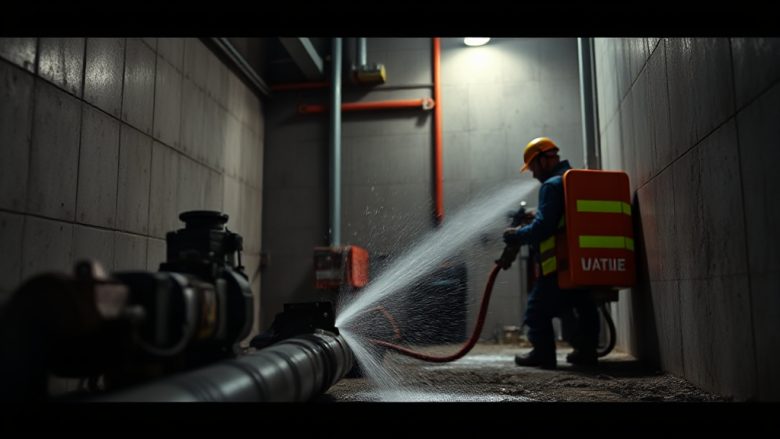
Hydrojetting uses high-pressure water to strip grease, scale and roots from the pipe wall rather than just punching a hole through the clog. It is the standard fix for restaurants, condominium kitchen lines and any drain that keeps blocking in the same spot. A camera inspection before and after confirms the pipe is clean, not just flowing.
What does an emergency call-out include?
A reputable desentupidora Ermelino Matarazzo team arrives with an auger, a hydrojetting hose, protective covers and a camera. The visit normally covers diagnosis, clearing, a flow test and basic cleanup. Ask upfront whether the price includes the camera inspection and whether there is an after-hours surcharge, because those two items change the final bill the most.
Step Three: Prepare the Property and Confirm the Job Is Done
The last part of the routine is the one most people skip. A cleared drain is not the same as a fixed drain. Before the technician leaves, you want a flow test on every fixture that was affected, a look at the clean-out access point, and a written note of what was removed from the line.
What to do before the team arrives
- Stop using water in the affected area, including the washing machine and dishwasher.
- Clear access to the clean-out plug, usually near the front boundary or in a service area.
- Move boxes, mats and fragile items away from the floor drain.
- Note the time the backup started and which fixtures were affected.
- Tell the technician about any previous repairs, root intrusions or chemical products used.
What to check before paying
Run hot water in the sink for a full minute and flush every toilet in the property. Watch the floor drain for rising water and listen for gurgling. Ask for the camera footage or a photo of the cleared line if the blockage was in the main. A professional desentupidora Ermelino Matarazzo São Paulo SP should be willing to show you the before-and-after condition of the pipe.
How to prevent the same clog next season
Install mesh strainers in kitchen and bathroom drains, wipe pans with a paper towel before washing, and never flush wipes even if the packet says flushable. For older buildings, book a preventive hydrojetting visit once a year, ideally before the rainy season when infiltration puts extra load on the sewer network. Condominium managers should keep a simple log of every blockage, the location and the cause, because patterns reveal which riser needs attention.
What a fair quote looks like
A clear quote separates diagnosis, clearing, camera inspection and disposal of removed material. It states whether the price is fixed or hourly and whether a return visit is included if the blockage recurs within a short period. Be cautious of a quote that is dramatically lower than others but excludes the camera or charges extra for every meter of cable. The cheapest call-out often becomes the most expensive repair.
Work through the checklist in order: diagnose first, compare the realistic options second, and verify the result before you pay. That sequence keeps small clogs small and stops a blocked main line from turning into a flooded ground floor. Whether you clear it yourself or bring in a team, the goal is the same: a drain that flows at full capacity, not one that merely stops backing up for a week.